Our Edible Toadstools and Mushrooms and How to Distinguish Them
€0.00
A Practical Guide for the Forager
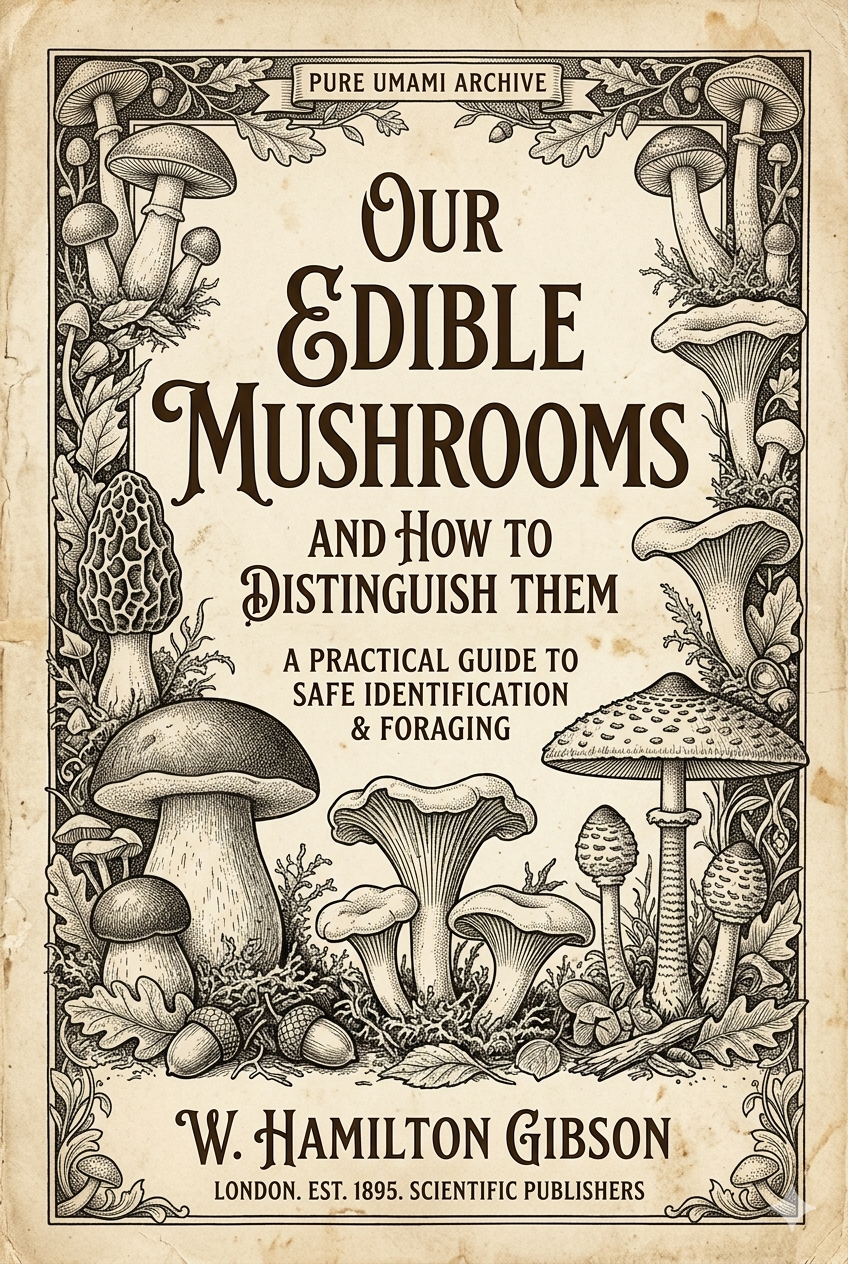
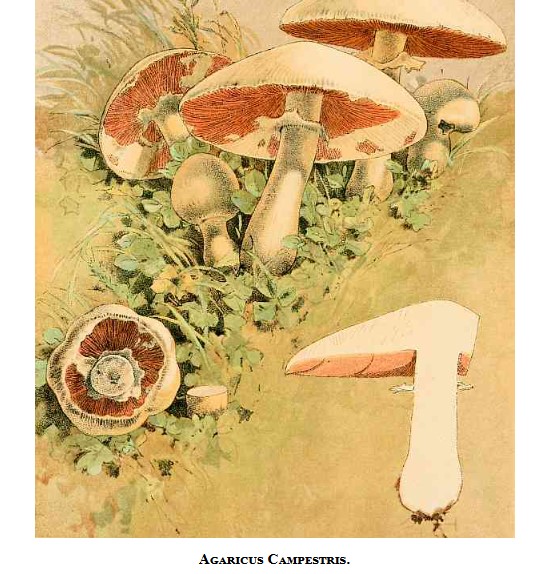
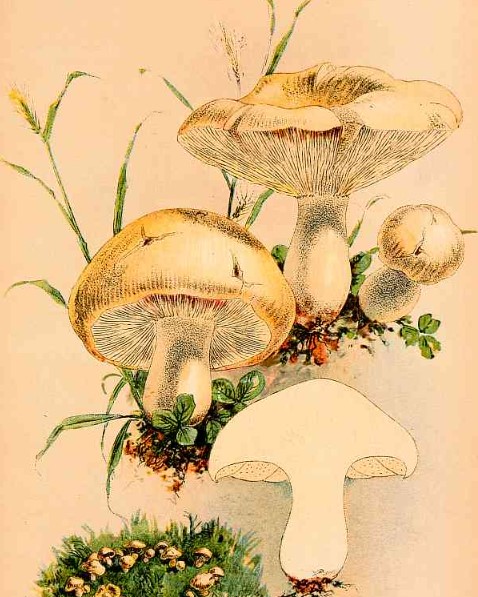
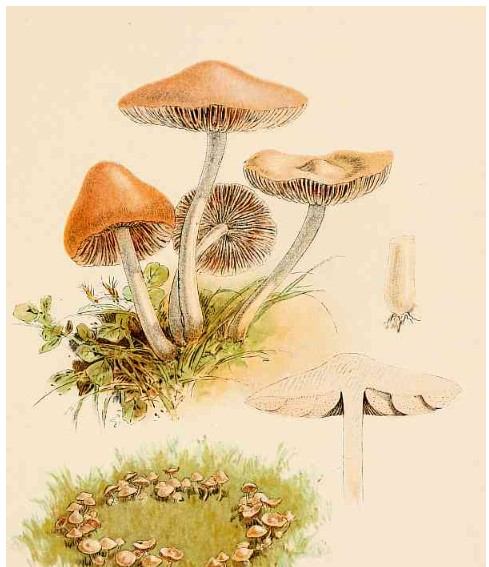
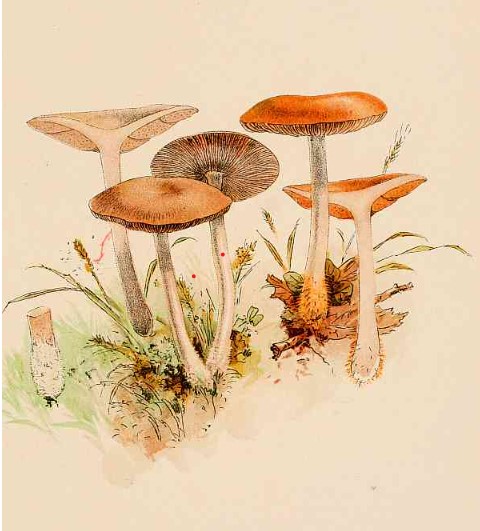
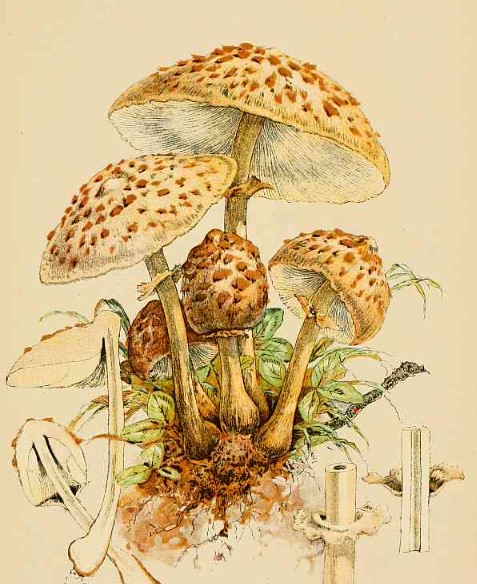
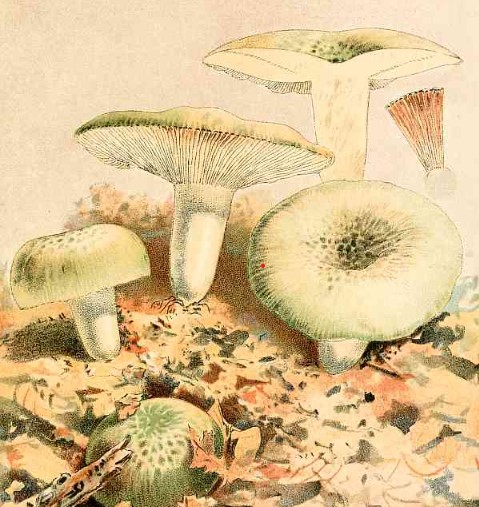
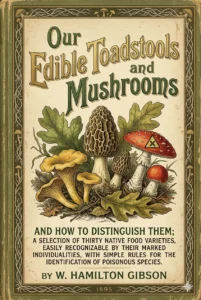
“Our Edible Toadstools and Mushrooms and How to Distinguish Them” by W. Hamilton Gibson is a practical guide on identifying edible fungi, likely written in the late 19th century. This publication focuses on educating the general public about thirty native food mushroom varieties and provides easy-to-follow rules for distinguishing these from their potentially poisonous counterparts.
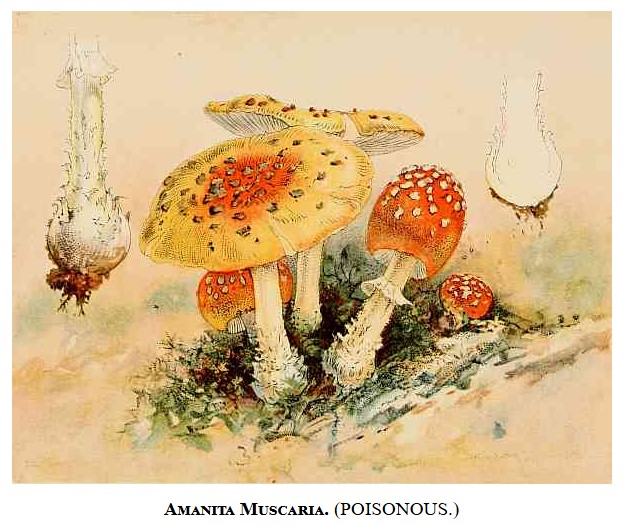
The book aims to promote the safe appreciation and gathering of mushrooms, addressing both the joy of foraging and the importance of caution. Gibson discusses the challenges of conveying scientific knowledge to the general audience and highlights the specific dangers associated with poisonous species, particularly the Amanita genus. He emphasizes the need for practical knowledge in identification to prevent fatalities, while underscoring the bountiful resources nature offers to those who gather mindfully.
Curated by Pure Umami, this work empowers readers with the skills to safely enjoy culinary delights while remaining vigilant against toxic varieties.
"Our Edible Toadstools and Mushrooms and How to Distinguish Them" is a practical guide likely written in the late 19th century. This publication focuses on educating the general public about thirty native food mushroom varieties and provides easy-to-follow rules for distinguishing these from their potentially poisonous counterparts.
Curated by Pure Umami, this work promotes the safe appreciation and gathering of mushrooms, addressing both the joy of foraging and the importance of caution. The author aims to empower readers with the skills to safely enjoy the culinary delights offered by nature.
To provide the best experiences, we use technologies like cookies to store and/or access device information. Consenting to these technologies will allow us to process data such as browsing behavior or unique IDs on this site. Not consenting or withdrawing consent, may adversely affect certain features and functions.
Functional
Always active
The technical storage or access is strictly necessary for the legitimate purpose of enabling the use of a specific service explicitly requested by the subscriber or user, or for the sole purpose of carrying out the transmission of a communication over an electronic communications network.
Preferences
The technical storage or access is necessary for the legitimate purpose of storing preferences that are not requested by the subscriber or user.
Statistics
The technical storage or access that is used exclusively for statistical purposes.The technical storage or access that is used exclusively for anonymous statistical purposes. Without a subpoena, voluntary compliance on the part of your Internet Service Provider, or additional records from a third party, information stored or retrieved for this purpose alone cannot usually be used to identify you.
Marketing
The technical storage or access is required to create user profiles to send advertising, or to track the user on a website or across several websites for similar marketing purposes.