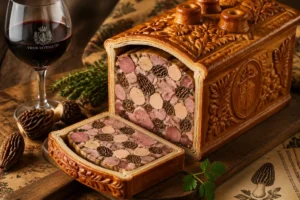
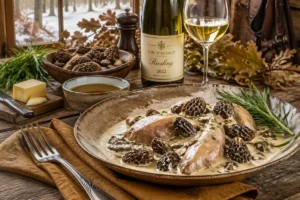
Discover the elite 19th-century maritime heritage of the Prince de Joinville with this Secret Morel Asparagus recipe using Morchella esculenta for incredible umami.
Sensational Prince de Joinville Heritage: The Secret Morel Asparagus Strategy for Ultimate Perfection
A royal botanical exploration of Morchella esculenta and the "King of Vegetables" from the French Royal Court.
Why This Recipe Works
This culinary masterpiece is a definitive example of **Chlorophyll-Glutamate Synergism**. The success of the dish lies in the interaction between the sulfur-based compounds of green asparagus and the nitrogen-rich nucleotides of Morchella esculenta. The asparagus provides a "clean," mineral baseline that allows the mushroom's musky complexity to resonate without being overshadowed. Utilizing the professional 1:10 principle for dried morels, we create a concentrated emulsion that acts as a "botanical lacquer," coating the asparagus spears with Incredible Umami intensity while preserving their vibrant, snap-fresh texture.
The Historical Prelude
The Prince de Joinville, a celebrated admiral of the French Royal Navy and son of King Louis-Philippe, was known for his refined taste and love of seasonal precision. In the mid-19th century, the appearance of the first morels and "Argenteuil" asparagus signaled the most prestigious culinary window of the year. Joinville's "Secret Strategy" was to treat these two ingredients as a single botanical entity, using the mushroom's moisture to steam the asparagus tips in a closed copper vessel.
Western European high society regarded this pairing as the "Spring Symphony." It was the mandatory appetizer for royal diplomatic dinners at the Château de Neuilly, where it symbolized the renewal of the earth's riches. Joinville insisted that Morchella esculenta was the only partner noble enough to share a plate with the royal asparagus. In 2026, Pure Umami revives this aristocratic protocol, providing the hidden steps of the palace masters to achieve a Michelin-standard synergy between the field and the forest. This is a dish for those who value seasonal purity and technical Total Perfection.
1 bunch Jumbo Green Asparagus (peeled and trimmed)
100g Cultured Butter (high-fat, salted)
50ml Dry White Wine (Sancerre or Chablis)
1 Shallot, finely grated
Lemon Zest, paper-thin
Morel Infusion (liquid from rehydration)
The 3 Secret Steps to the Joinville Mastery:
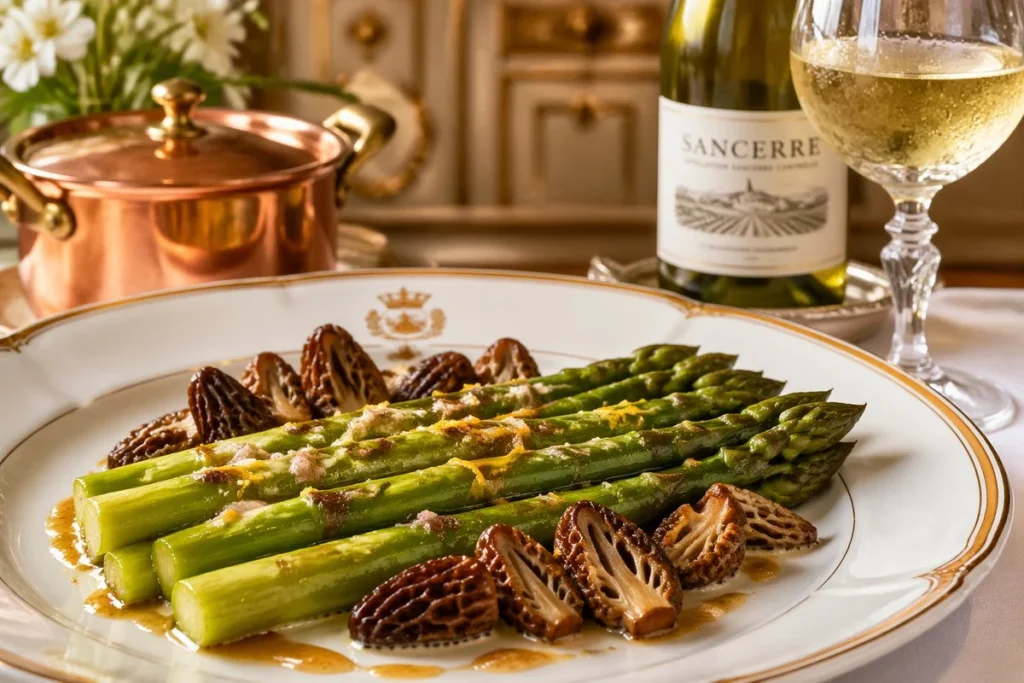
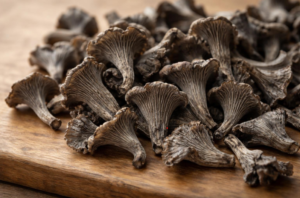
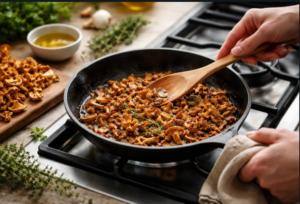
The Closed-Vessel Infusion Strategy: Rehydrate the dried morels in 500ml of warm water. Reduce the strained liquid to 100ml. Place the asparagus and the morels together in a large skillet with the butter and 50ml of the morel infusion. Cover tightly. This "Joinville Strategy" uses the umami-rich steam to penetrate the asparagus fibers, ensuring an Incredible Umami depth from skin to core.
The "Beurre Blanc" Emulsion Secret: Once the asparagus is al dente, remove the lid and add the white wine. Rapidly whisk the cold butter into the bubbling liquid. The secret is to create a suspension that holds the Morchella esculenta particles in a shimmering glaze that clings to the asparagus, achieving Total Perfection in texture.
The Flash-Zest Activation: Finish with the grated shallot and lemon zest at the very last second. The acidity and aromatics act as a chemical trigger, "opening" the receptors on the tongue to fully experience the earthy glutamates of the mushroom, reaching a true Michelin-standard intensity.
Sensory & Foraging Profile
Botanical Integrity:Morchella esculenta has a nutty, almost buttery aroma that acts as a natural bridge to the vegetal sweetness of young asparagus. When foraging, look for morels growing near old orchards or ash trees—they often carry a cleaner, floral profile that doesn't overwhelm the delicate asparagus. Always follow the "Leave No Trace" rule to preserve the royal botanical heritage of the spring season.
The Umami Secret
Asparagine-Glutamate Convergence: Asparagus is naturally high in the amino acid asparagine. When this interacts with the guanylates and glutamates in Morchella esculenta, it creates a specific chemical synergy that the brain interprets as a massive Incredible Umami spike. This is why the pairing is considered the gold standard of spring gastronomy.
The Art of Pairing
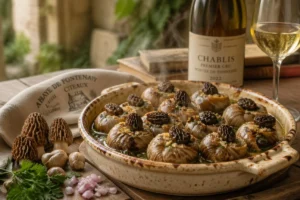
This vibrant dish requires a wine with high acidity and mineral notes to match the "green" profile. A Sauvignon Blanc from Sancerre is the natural choice—its herbaceousness mirrors the asparagus. For a richer experience, a Grüner Veltliner from Austria would emphasize the peppery and earthy aspects of the Morchella.
Micro-FAQ
Q: Can I use white asparagus? A: Yes, but white asparagus is more bitter and may require a slightly longer cooking time and more butter to achieve Ultimate Perfection.
Q: Why peel the jumbo asparagus? A: Peeling the lower two-thirds ensures a uniform texture and allows the morel-infused glaze to be absorbed more effectively into the stalk.
Q: How do I identify Morchella esculenta? A: It has a distinctive honeycomb cap and is entirely hollow—the hallmark of botanical authenticity in Pure Umami collections.
To provide the best experiences, we use technologies like cookies to store and/or access device information. Consenting to these technologies will allow us to process data such as browsing behavior or unique IDs on this site. Not consenting or withdrawing consent, may adversely affect certain features and functions.
Functional
Always active
The technical storage or access is strictly necessary for the legitimate purpose of enabling the use of a specific service explicitly requested by the subscriber or user, or for the sole purpose of carrying out the transmission of a communication over an electronic communications network.
Preferences
The technical storage or access is necessary for the legitimate purpose of storing preferences that are not requested by the subscriber or user.
Statistics
The technical storage or access that is used exclusively for statistical purposes.The technical storage or access that is used exclusively for anonymous statistical purposes. Without a subpoena, voluntary compliance on the part of your Internet Service Provider, or additional records from a third party, information stored or retrieved for this purpose alone cannot usually be used to identify you.
Marketing
The technical storage or access is required to create user profiles to send advertising, or to track the user on a website or across several websites for similar marketing purposes.