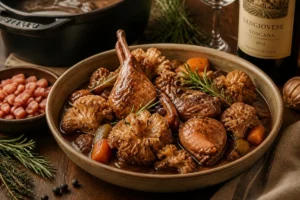
A technical study in "Slow-Enzymatic Breakdown," utilizing the lean, high-protein structure of rabbit meat and the collagen-mimicking parenchyma of the Golden Chanterelle to create a high-viscosity, forest-infused emulsion.
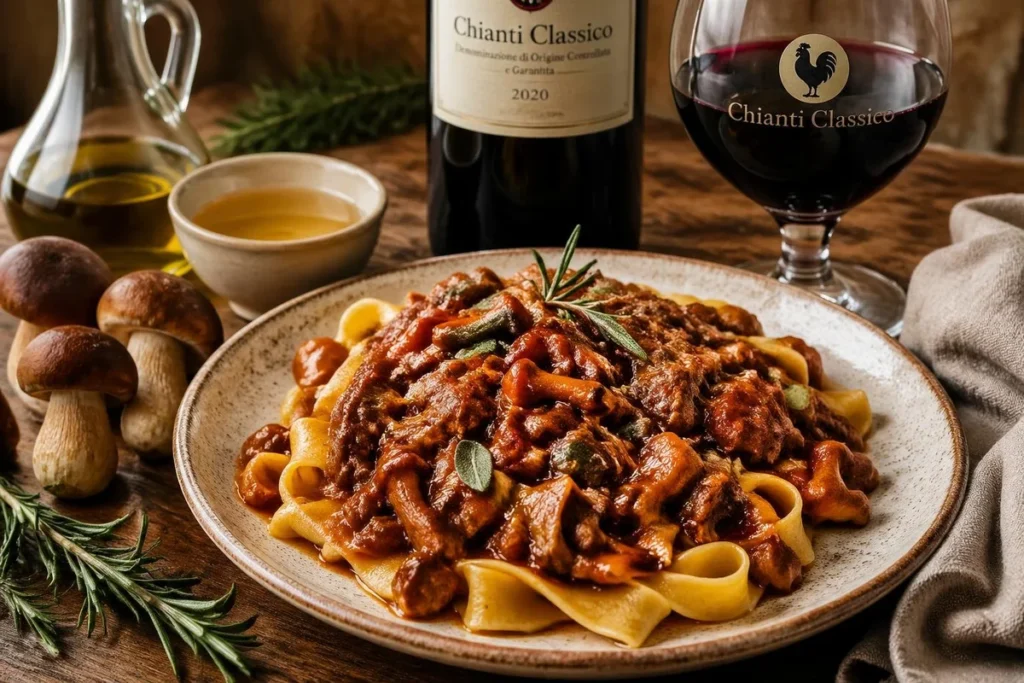
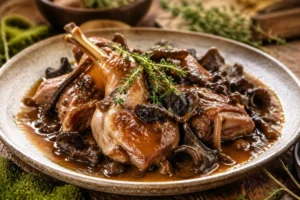
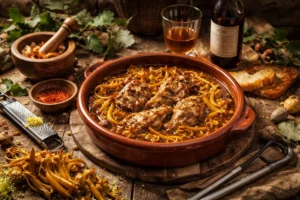
Rabbit & Chanterelle Ragù alla Cacciatora
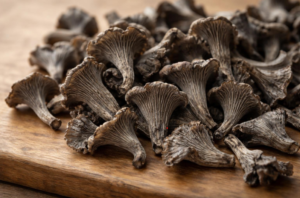
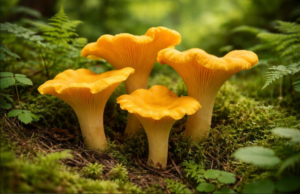
For our thirty-second technical formulation, we honor the "Hunter's Style" (Cacciatora) of the Italian Apennines. The Cantharellus cibarius (Golden Chanterelle) is the ideal partner for rabbit (Oryctolagus cuniculus) due to their shared habitat and flavor delicacy. Rabbit is a lean protein that can easily become desiccated; by braising it alongside our premium Cantharellus cibarius, we utilize the mushroom's moisture-retention properties to keep the protein succulent. At pure-umami.cc, we refine this rustic classic into a high-precision ragù where the mushroom and meat fibers achieve a unified, melt-in-the-mouth texture.
The Culinary Physics of This Dish
The engineering of this ragù relies on Low-Thermal Collagen Transition. Both rabbit and chanterelles require a gentle heat (approx. 85°C-90°C) over a long duration to break down tough connective tissues without tightening the muscle fibers. Molecularly, as the chanterelles simmer, they release chitin-bound water which is rich in umami precursors. This liquid acts as a braising medium that tenderizes the rabbit. The addition of a small amount of tomato paste provides the acidity needed to facilitate this enzymatic breakdown, while the fungal guanylates provide a "bridge" to the metallic, gamey notes of the rabbit.
Terroir Narrative
This formulation is a tribute to the Tuscan and Umbrian woodlands. It reflects a landscape where wild rosemary and juniper grow amidst the same oaks that shelter our chanterelles. The terroir is expressed through the use of dry white wine (Vernaccia) and high-quality olive oil. This dish employs the same slow-cooking logic as our Boletus edulis and Marasmius oreades ragùs, ensuring that the final sauce is a thick, aromatic reduction of the forest itself.
Quick Info Bar
Braid Time
Prep Time
Complexity
Region
1.5 Hours
30 mins
Grand Officier
Tuscany, Italy
Master Recipe (1:10 Rule)
Technical ratios for a high-viscosity ragù:
500g Rabbit Meat (boneless, hand-minced into small cubes)
The Primary Sear: In a heavy cast-iron pot, sear the rabbit cubes in olive oil until a light crust forms. Remove the meat.
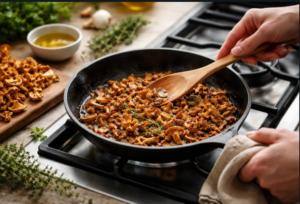
The Mycological Soffritto: Add the Cantharellus cibarius to the same pot. Sauté until they release all their water and start to brown. Add the shallot and celery, cooking until translucent.
Deglazing: Return the rabbit to the pot. Add the tomato paste and stir for 1 minute to cook out the raw flavor. Deglaze with the white wine, scraping the bottom for all Maillard particles.
The Low-Temp Braise: Add the stock and herbs. Reduce the heat to the lowest setting. Cover and simmer gently for 90 minutes. The liquid should reduce by half, becoming thick and glossy.
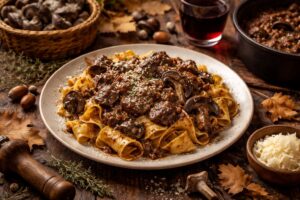
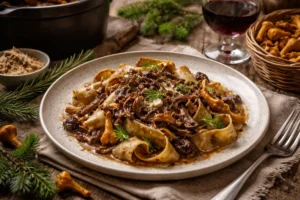
The Finish: Remove the woody herb stems. Serve the ragù over wide pasta like Pappardelle or Polenta. The Cantharellus cibarius should be completely integrated into the meat sauce, providing a seamless texture.
Shop Integration
The peppery notes of our Cantharellus cibarius are essential to balance the sweetness of the rabbit meat. For a more intense, "wild" profile, we recommend adding 20% Craterellus cinereus (Grey Chanterelle). If you seek a nutty depth, our Marasmius oreades sautéed in the soffritto provides a spectacular baseline. For an elite presentation, garnish with a few whole seared Boletus edulis (Porcini) or a side of fresh Amanita caesarea (Caesar's Mushroom). Avoid using Morchella conica in the long braise, as their delicate texture will disintegrate; instead, sauté them separately and add at the very end.
The Umami Profile
This dish features **Slow-Release Umami**. The long cooking time allows the guanylates from the Cantharellus cibarius to fully bond with the amino acids in the rabbit. The result is a sauce with "High Mouth-Feel" (Kokumi), coating the tongue with a savory persistence that lasts for minutes after each bite.
Sommelier’s Choice
A structured **Chianti Classico** or a **Vermentino** (if serving as a lighter lunch). A Chianti with light oak aging mirrors the rosemary and fungal notes, while the tannins cut through the rich, slow-cooked rabbit fat.
The Etymological Chronicle
The term Cacciatora is Italian for "hunter's style." In French, this is Lapin aux Chanterelles Façon Chasseur. In German, it is Kaninchen-Ragout mit Pfifferlingen. Regardless of the language, the Chanterelle and rabbit ragù is the definitive standard for technical forest cookery.
Pure Umami | Mycological Research & Culinary Arts | 2026
To provide the best experiences, we use technologies like cookies to store and/or access device information. Consenting to these technologies will allow us to process data such as browsing behavior or unique IDs on this site. Not consenting or withdrawing consent, may adversely affect certain features and functions.
Functional
Always active
The technical storage or access is strictly necessary for the legitimate purpose of enabling the use of a specific service explicitly requested by the subscriber or user, or for the sole purpose of carrying out the transmission of a communication over an electronic communications network.
Preferences
The technical storage or access is necessary for the legitimate purpose of storing preferences that are not requested by the subscriber or user.
Statistics
The technical storage or access that is used exclusively for statistical purposes.The technical storage or access that is used exclusively for anonymous statistical purposes. Without a subpoena, voluntary compliance on the part of your Internet Service Provider, or additional records from a third party, information stored or retrieved for this purpose alone cannot usually be used to identify you.
Marketing
The technical storage or access is required to create user profiles to send advertising, or to track the user on a website or across several websites for similar marketing purposes.