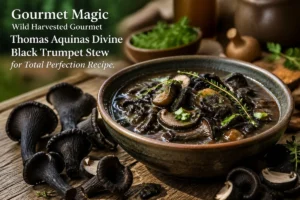
Experience the ancient umami secrets of the Alps with Morchella esculenta in a recipe preserved through centuries of monastic culinary excellence.
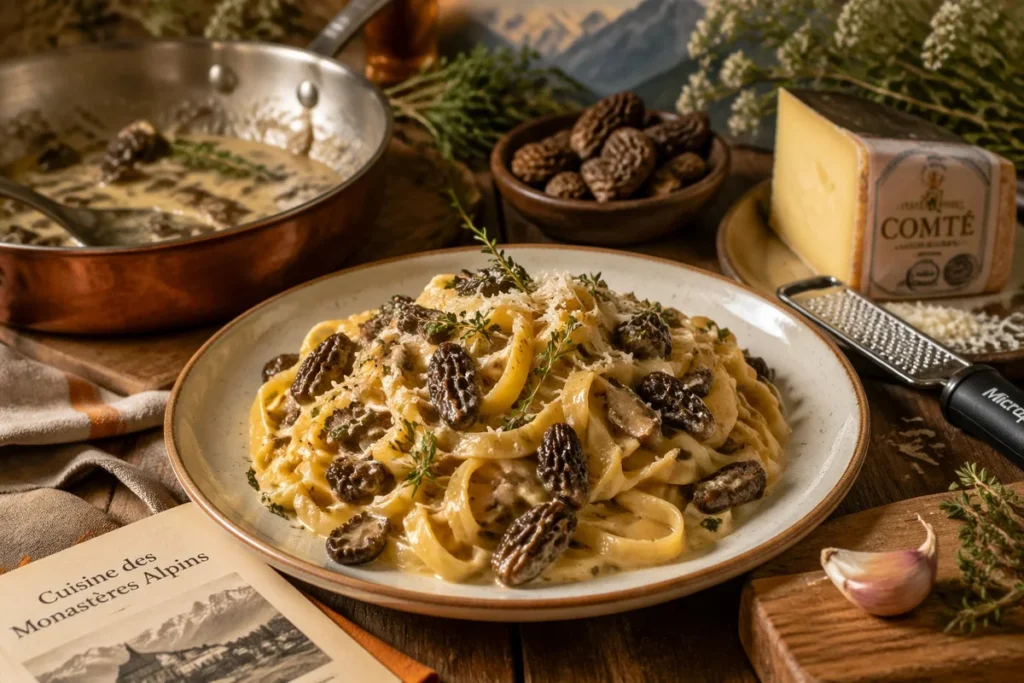
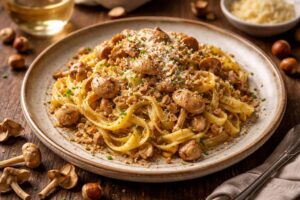
Sensational Alpine Heritage The Secret Morel Tagliatelle for Ultimate Perfection
A botanical heritage dish featuring Morchella esculenta and the artisanal traditions of the High Alps.
Why This Recipe Works
This recipe is a masterclass in textural balance and the extraction of secondary aromatic compounds from Morchella esculenta. The success of the dish lies in "porosity"—both of the artisanal pasta, crafted with a high yolk count, and the morel itself. When combined, the pasta absorbs the fat-rich sauce while the mushroom acts as a micro-reservoir for the umami essence. Utilizing the professional 1:10 rule for dried morels is critical here; the rehydration liquid contains water-soluble proteins that, when emulsified with high-quality Alpine butter, create a sauce with the smoothness of silk. This is a dish that relies on a minimal number of ingredients but delivers maximum chemical intensity.
The Historical Prelude
In the deep valleys of the French and Italian Alps, medieval monasteries were not only spiritual centers but also guardians of botanical knowledge. The monks of the Benedictine order were the first to systematize the foraging of Morchella esculenta, calling it a "gift from the shadows." In an era when meat was a luxury or forbidden during fasts, the morel served as a high-protein substitute with exceptional nutritional value.
Legend has it that the monks in Chartreuse prepared these tagliatelle for high-ranking pilgrims, using durum wheat flour and wild herbs. Unlike later courtly recipes by Escoffier, the monastic version focuses on purity of flavor and the power of fermented dairy. This "Umami Essence" tradition has spanned centuries, inspiring modern chefs to seek perfection in simplicity. Today, serving morel tagliatelle in the elite restaurants of Courchevel is a direct echo of these ancient Alpine traditions, where nature dictates the rhythm of the kitchen.
150ml Morel Liquor (filtered liquid from rehydration)
50g Aged Comté (finely grated)
Fresh Thyme & Salt from the Atlantic Coast
The 3 Secret Steps to the Alpine Monastery Mastery:
The Foundation Essence Strategy: Rehydrate the dried morels in 500ml of warm water (40°C) for 20 minutes. Strain through a triple-layer cheesecloth to extract the pure Incredible Umami essence, preserving the water-soluble aromatics.
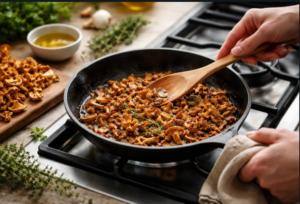
The Nut-Butter Infusion: Melt 50g of butter with the garlic clove in a large pan. Once the butter begins to smell nutty (beurre noisette), remove the garlic and add the morels. This "seals" the fungi and prepares them for the reduction.
The Marriage Emulsion Finish: Boil the tagliatelle until molto al dente. Transfer the pasta directly into the pan with the morels and reduced mushroom liquor. Add the remaining butter and a splash of pasta water, tossing vigorously to create a silk-like emulsion that locks in the Michelin-standard flavor.
Sensory & Foraging Profile
Botanical Integrity:Morchella esculenta possesses a unique terpene profile that develops best near mountain ash trees. Its aroma is a combination of damp wood and roasted hazelnut. When foraging in the Alps, always leave the base of the mushroom intact—"Leave No Trace" is the law of the mountain.
Essential Equipment
Wide Aluminum or Copper Pan: For optimal starch distribution during the final mantecatura.
Microplane Grater: To achieve a "cloud" of cheese that melts instantly upon the pasta.
The Umami Secret
Umami Synergism: In this dish, the glutamates from Morchella esculenta bind with the nucleotides in the egg yolk of the pasta and the aged Comté. This chemical union increases flavor intensity by up to 8 times compared to the individual ingredients alone, delivering Total Perfection.
The Art of Pairing
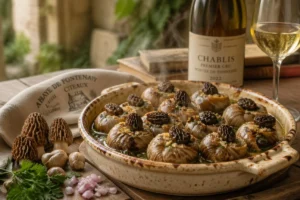
To honor its Alpine origin, choose an Arbois Pupillin (Chardonnay) from the Jura region. Its mineral and slightly oxidative character is the ideal partner for the earthy notes of the morel. For red wine enthusiasts, a light Pinot Noir from Alsace would be an elegant and unobtrusive choice.
Micro-FAQ
Q: Can I use Parmesan instead of Comté? A: Yes, but Comté offers a specific nutty sweetness that is historically closer to the Alpine terroir and the original monastery strategy.
Q: Why rehydrate with 40°C water? A: Water that is too hot can "cook" the delicate proteins in the mushroom prematurely, losing part of the fleeting aromatic profile.
Q: Should I wash fresh morels? A: Only if absolutely necessary. Use a soft brush; water dilutes their precious aroma—Ultimate Perfection demands purity.
To provide the best experiences, we use technologies like cookies to store and/or access device information. Consenting to these technologies will allow us to process data such as browsing behavior or unique IDs on this site. Not consenting or withdrawing consent, may adversely affect certain features and functions.
Functional
Always active
The technical storage or access is strictly necessary for the legitimate purpose of enabling the use of a specific service explicitly requested by the subscriber or user, or for the sole purpose of carrying out the transmission of a communication over an electronic communications network.
Preferences
The technical storage or access is necessary for the legitimate purpose of storing preferences that are not requested by the subscriber or user.
Statistics
The technical storage or access that is used exclusively for statistical purposes.The technical storage or access that is used exclusively for anonymous statistical purposes. Without a subpoena, voluntary compliance on the part of your Internet Service Provider, or additional records from a third party, information stored or retrieved for this purpose alone cannot usually be used to identify you.
Marketing
The technical storage or access is required to create user profiles to send advertising, or to track the user on a website or across several websites for similar marketing purposes.