The Historical Prelude: The Sultan’s Forest Tribute
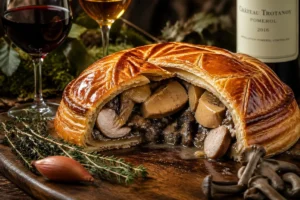
The Pastilla (or B'stilla) is the crown jewel of Moroccan Imperial cuisine, tracing its origins to the 15th-century courts of Fes. Historically, it was a celebratory pie reserved for royalty, combining the Andalusian refinement of slow-cooked pigeon with the Berber tradition of paper-thin warqa dough. While the traditional recipe uses crushed almonds and powdered sugar to provide a sweet counterpoint to the gamey squab, the use of wild fungi was a sophisticated adaptation found in the Middle Atlas mountains.
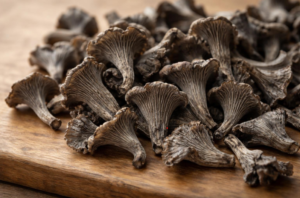
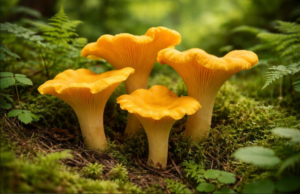
In the cedar and oak forests of Ifrane, the Yellow Foot Chanterelle (Craterellus lutescens) is known for its ability to mimic the scent of dried fruits. Mountain chefs realized that the apricot esters of the Yellow Foot could replace traditional raisins or dates, providing a "forest-sweetness" that was deeper and more savory.
By the 20th century, this variant became a symbol of "Forest Luxury" in the high-altitude lodges of Morocco. The dish is a technical masterpiece of aromatic layering: the heat of Ras el Hanout, the crunch of the pastry, the tenderness of the pigeon, and the peppery-fruit snap of the chanterelles. It is a dish that exists at the intersection of the desert trade routes and the humid, high-altitude mosses of the Atlas.
Narrative Intro: This dish is a "Saffron Mirage." Our philosophy for the Mushroom Pastilla is to treat the Yellow Foot as a botanical bridge. The mushroom bridges the gap between the savory, iron-rich pigeon meat and the floral, sugary dusting of the pastry, creating a unified flavor profile that echoes the complexity of a Moroccan spice market.
Sensory & Foraging Profile: The Atlas Cedar and Calcareous Terroir
The Craterellus lutescens of the Middle Atlas grows in the limestone-rich soils beneath ancient Atlas cedars. This terroir imparts a distinctive woody-spice finish to the mushroom's natural apricot profile. The mushrooms here are often larger and more "leathery" than their European counterparts, allowing them to withstand the long braising process typical of Moroccan tagines.
Ethical Harvesting & Professional Protocols: In the Moroccan mountains, we follow the "Dew-Point" protocol—harvesting only before the sun hits the forest floor to preserve the delicate essential oils. We utilize goat-hair brushes for cleaning and strictly harvest only 30% of a patch, as the Yellow Foot is a vital nutrient source for the local Barbary macaques during the autumn months.
Essential Equipment: The Pastry Station
Tagine or Heavy-Bottomed Dutch Oven: For the low-and-slow braising of the pigeon meat to achieve a "pull-apart" texture.
Warqa or Phyllo Pastry: Professional grade, ultra-thin sheets are required for the characteristic "shatter" of the crust.
Copper Pastilla Tin: A shallow, circular pan that ensures even browning of the bottom and sides.
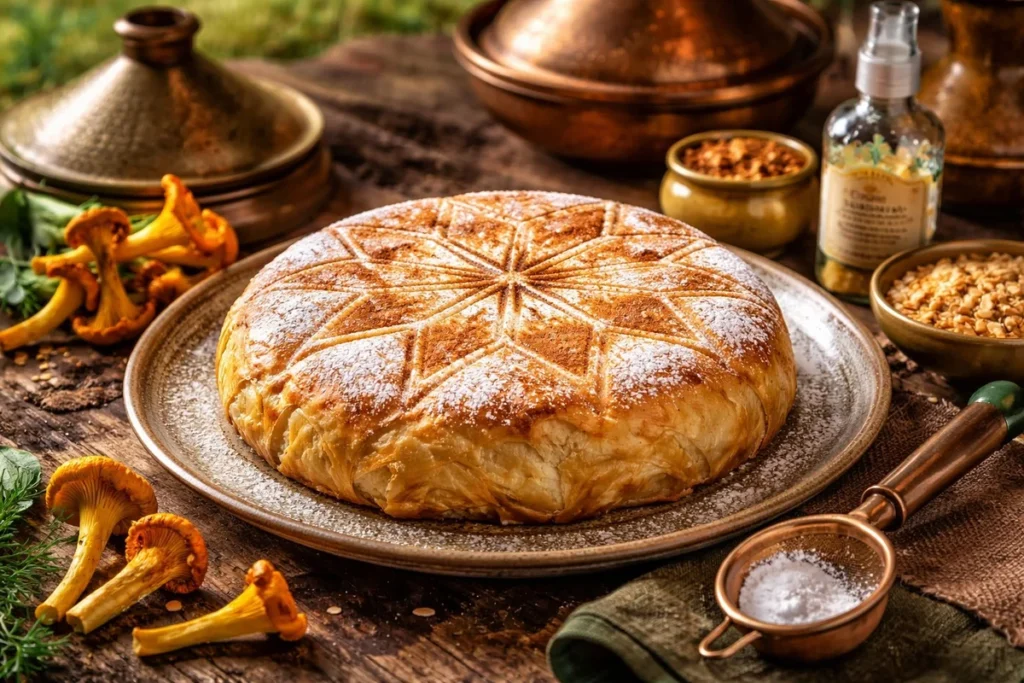
Small Sieve: For the precise dusting of cinnamon and sugar over the finished pie.
Master Recipe: Pigeon Pastilla & Yellow Foot
Stage 1: The Spiced Squab Braise
Braise 4 Pigeon Breasts and Thighs in a mixture of saffron, ginger, cinnamon, and Ras el Hanout. Once tender, shred the meat finely. Retain the braising liquid and reduce it until it forms a thick, jam-like essence.
Stage 2: The Mushroom Reduction
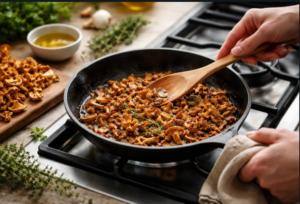
Sauté 300g of fresh Yellow Foot chanterelles in Argan Oil or clarified butter. Once they have released their liquid, fold them into the reduced braising essence. The mushrooms will absorb the saffron and cinnamon, becoming "spice-bombs" within the filling.
Stage 3: The Egg Binding
Whisk 3 eggs and slowly stream them into the warm pigeon and mushroom mixture. Cook gently until the eggs set into a soft, moist scramble. This acts as the "mortar" that holds the pastilla together.
Stage 4: The Pastry Construction
Layer 8 sheets of warqa or phyllo in a buttered tin, brushing each with melted butter. Fill with the pigeon-mushroom mixture. Top with a layer of toasted, crushed almonds. Fold the pastry over the top and seal with more butter. Bake at 180°C for 25 minutes until golden brown.
Stage 5: The Final Contrast
Turn the pastilla out onto a plate. Dust with a geometric pattern of powdered sugar and ground cinnamon. The sugar should be applied just before serving to maintain its powdery texture against the hot pastry.
Substitutions & Variations: The Luxury Palette
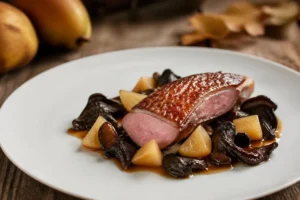
The Protein: Replace pigeon with Slow-Cooked Duck Leg for a richer, fattier mouthfeel.
The Oil: Use Toasted Argan Oil for the final sauté to provide a unique nutty-smoke finish.
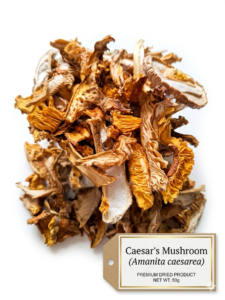
The Mushroom: For an even more intense fruit profile, add Dried Yellow Foot that has been rehydrated in orange blossom water.
Pro Technique: The “Orange Blossom Spritz”
Just before sealing the pastilla, lightly spritz the filling with Orange Blossom Water. The steam trapped inside the pastry during baking will carry the floral citrus scent into the hollow stems of the Yellow Foot chanterelles, creating a surprise aromatic release when the pie is cut open.
The Umami Secret: Cinnamaldehyde and Linalool
The **Cinnamon** contains Cinnamaldehyde, while the **Yellow Foot** contains Linalool (apricot) and Gamma-Octalactone (stone-fruit). When these aromatic compounds meet the Heme Iron of the pigeon, they create a "Flavor Masking" effect that removes the "gamey" metallic taste and replaces it with a deep, balsamic umami. This is why Moroccan cuisine is the master of the savory-sweet-spicy triangle.
The Art of Pairing: The Sommelier’s Selection
Sommelier's Choice: A Syrah from Morocco (Domaine de la Zouina) or a bold Châteauneuf-du-Pape. The dark fruit and spice notes of the wine resonate with the pigeon and cinnamon.
Non-Alcoholic Alternative:Moroccan Mint Tea with a hint of Cinnamon. The heat and tannins of the tea act as a palate cleanser for the rich pastry.
Storage & Reheating
Pastilla is best served fresh. **Reheating:** Never use a microwave as it will turn the pastry rubbery. Reheat in a 160°C oven for 10 minutes until the crust regains its "shatter" texture. **Pro Tip:** The filling can be made 24 hours in advance and stored in the fridge, but only assemble and bake at the moment of service.
Ancestral Nutrition
Pigeon is one of the highest sources of Bioavailable Iron and Copper. Yellow Foot chanterelles provide Ergosterols and Beta-glucans. In Moroccan tradition, Pastilla was considered a "fortifying" dish for the mind, with the saffron and cinnamon believed to alleviate melancholia and improve circulation.
Micro-FAQ
Q: Why is there sugar on a meat pie? A: It is a hallmark of the Fessi (from Fes) style, where sweet and savory are used to highlight each other's complexity.
Q: Can I use Chicken? A: Yes, but chicken lacks the mineral depth of pigeon. If using chicken, add more Ras el Hanout to compensate.
Q: Is Warqa dough different from Phyllo? A: Yes. Warqa is hand-patted on a hot plate and is thinner and more elastic. Phyllo is a suitable substitute but use two layers for every one layer of warqa.
To provide the best experiences, we use technologies like cookies to store and/or access device information. Consenting to these technologies will allow us to process data such as browsing behavior or unique IDs on this site. Not consenting or withdrawing consent, may adversely affect certain features and functions.
Functional
Always active
The technical storage or access is strictly necessary for the legitimate purpose of enabling the use of a specific service explicitly requested by the subscriber or user, or for the sole purpose of carrying out the transmission of a communication over an electronic communications network.
Preferences
The technical storage or access is necessary for the legitimate purpose of storing preferences that are not requested by the subscriber or user.
Statistics
The technical storage or access that is used exclusively for statistical purposes.The technical storage or access that is used exclusively for anonymous statistical purposes. Without a subpoena, voluntary compliance on the part of your Internet Service Provider, or additional records from a third party, information stored or retrieved for this purpose alone cannot usually be used to identify you.
Marketing
The technical storage or access is required to create user profiles to send advertising, or to track the user on a website or across several websites for similar marketing purposes.