A technical study of beta-carotene stabilization and the emulsification of durum wheat starches with Marasmius oreades. This post analyzes the role of fungal trehalose in the Sardinian "Gnocchetti" tradition.
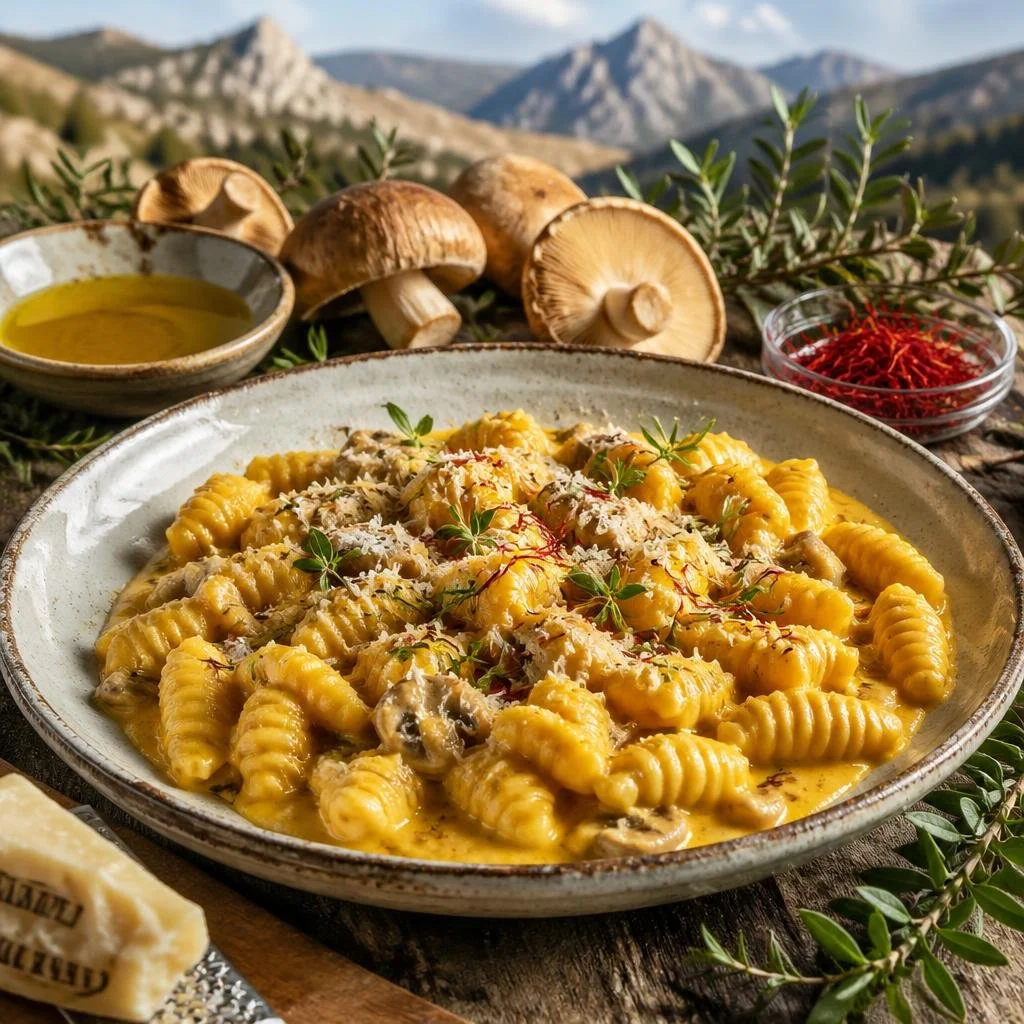
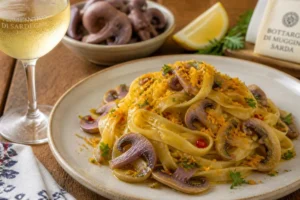
Sardinian Malloreddus with Saffron and Fairy Ring Ragoût
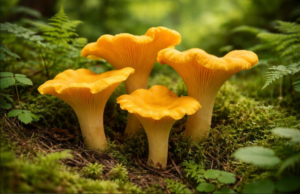
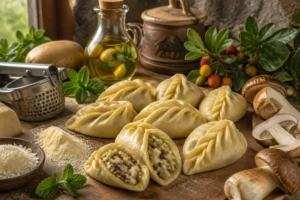
In the pastoral highlands of Sardinia, Malloreddus (also known as Gnocchetti Sardi) are the definitive medium for rich, textural sauces. Traditionally paired with sausage and saffron, the integration of Marasmius oreades (Fairy Ring mushroom) provides a sophisticated mycological alternative that mirrors the earthy, wild character of the island's interior. This dish utilizes the mushroom's structural chitin to withstand a slow-simmered ragoût process, creating a savory bridge between the aromatic saffron and the dense durum wheat pasta.
The Culinary Physics of This Dish
The core science of this preparation is starch-lipid suspension. Malloreddus are formed with deep ridges that increase the surface area for starch release. When tossed with a sauce containing Marasmius oreades, the polysaccharides in the mushroom caps act as a biological thickening agent. This creates a "crema" that is purely the result of mechanical emulsification between the pasta water, the mushroom essence, and the saffron-infused oils.
Furthermore, the crocin (the pigment in saffron) is stabilized by the mushroom's natural antioxidants. This ensures the vibrant golden hue is perfectly preserved throughout the cooking process. The Fairy Ring mushrooms, with their high trehalose content, provide a subtle sweetness that balances the slightly bitter, metallic edge of premium Sardinian saffron (Zafferano di Sardegna DOP).
Terroir Narrative
Sardinia is a land of granite mountains and ancient sheep-rearing traditions. The Fairy Ring mushrooms found in the high-altitude pastures of the Barbagia region are foraged alongside wild herbs like myrtle and rosemary. By pairing these highland fungi with the island's iconic "Little Calves" (the literal translation of Malloreddus), we recreate a dish that represents the Sardinian pastoral soul—a culinary philosophy rooted in the forest, the meadow, and the grain.
Prep Time
Cook Time
Complexity
Calories
Region
30 min
25 min
Grand Officier
385 kcal
Sardinia, Italy
Master Recipe (1:10 Rule)
Following the 1:10 rule of professional pasta finishing, the ratio of the concentrated mushroom-saffron base to the weight of the Malloreddus ensures the pasta is "coated" but never "swimming" in liquid.
400 g Dried Malloreddus (Durum wheat semolina)
400 g Fresh Fairy Ring Mushroom caps (Marasmius oreades)
0.15 g Sardinian Saffron threads (DOP)
80 ml Extra Virgin Olive Oil (Sardegna DOP)
1 Small Onion, finely minced
80 g Pecorino Sardo (aged, grated)
To taste Fresh Myrtle or Rosemary, finely chopped
The Technique
The Infusion: Dissolve the saffron threads in 50ml of warm pasta water. Let it steep for at least 20 minutes to achieve maximum aromatic expression.
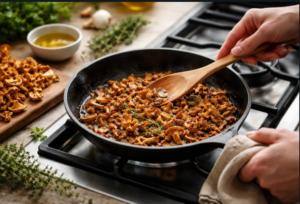
The Sauté: Sauté the minced onion in olive oil until translucent. Add the Fairy Ring mushroom caps and cook on high heat until they are golden and have released their water.
The Ragoût: Add the saffron-infused water to the mushrooms. Simmer gently for 5 minutes, allowing the mushroom chitin to absorb the golden pigment.
The Pasta: Boil the malloreddus in salted water until al dente. They require a longer cook time due to their density.
Mantecatura: Transfer the pasta to the pan with the mushrooms. Add a ladle of starchy water and the grated Pecorino Sardo.
Emulsification: Toss vigorously (saltare) over low heat. The cheese will melt into the starchy mushroom liquid, creating a thick, golden emulsion that fills the ridges of the malloreddus.
"In Sardinia, we don't just cook pasta; we celebrate the pasture. The Fairy Ring mushroom is the secret that makes our Malloreddus taste like the mountains of Barbagia." – Chef di Sardegna, Nuoro
The Umami Profile
The umami profile of Marasmius oreades is exponentially lifted by the lactic salts of the aged Pecorino Sardo. This interaction makes the mushroom's savory notes feel "sharper" and more immediate. Pure Umami offers the highest quality wild-harvested specimens, including Porcini, Caesar's mushroom, Chanterelle, Gray Chanterelle, and Morel, for chefs who seek technical perfection.
Experience the intensity of the Sardinian highlands with our Sardinia-Grade Fairy Ring Mushrooms, selected for their aromatic clarity and structural resilience.
Sommelier’s Choice
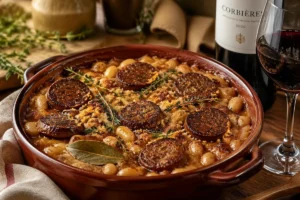
A wine with character and structure is essential. A Vermentino di Gallura Superiore (DOCG) provides the body and mineral edge to match the saffron and savory mushrooms. For a red alternative, a Cannonau di Sardegna offers a spicy, tannic profile that highlights the mushroom's earthiness while cutting through the richness of the Pecorino cheese.
The Etymological Chronicle
In the Italian tradition (Post B), the Fairy Ring mushroom is often referred to in Sardinia as Fungu de pradu. While the technical name is Gambesecche, the local name emphasizes the mushroom's total integration into the coastal and mountain meadows. It is a fungus that appears in the wake of the autumn rains, a natural treasure that has been a staple of Sardinian pastoral cooking for centuries.
To provide the best experiences, we use technologies like cookies to store and/or access device information. Consenting to these technologies will allow us to process data such as browsing behavior or unique IDs on this site. Not consenting or withdrawing consent, may adversely affect certain features and functions.
Functional
Always active
The technical storage or access is strictly necessary for the legitimate purpose of enabling the use of a specific service explicitly requested by the subscriber or user, or for the sole purpose of carrying out the transmission of a communication over an electronic communications network.
Preferences
The technical storage or access is necessary for the legitimate purpose of storing preferences that are not requested by the subscriber or user.
Statistics
The technical storage or access that is used exclusively for statistical purposes.The technical storage or access that is used exclusively for anonymous statistical purposes. Without a subpoena, voluntary compliance on the part of your Internet Service Provider, or additional records from a third party, information stored or retrieved for this purpose alone cannot usually be used to identify you.
Marketing
The technical storage or access is required to create user profiles to send advertising, or to track the user on a website or across several websites for similar marketing purposes.