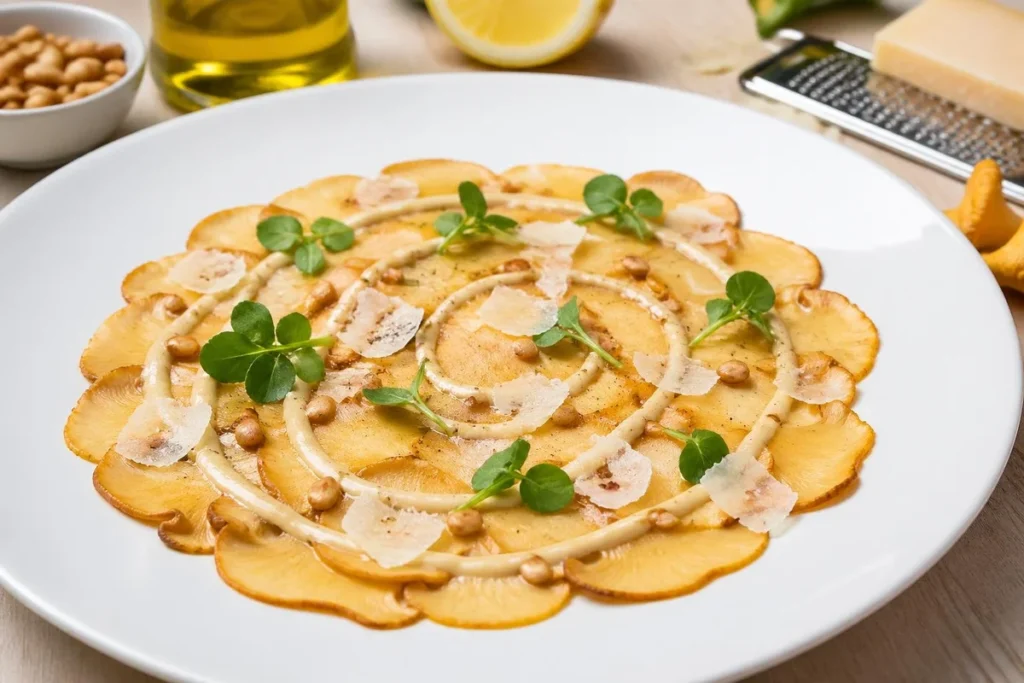
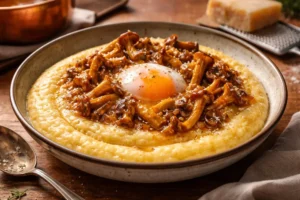
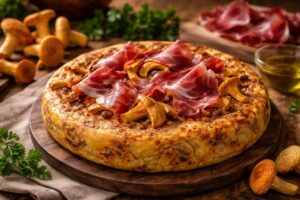
A sophisticated exploration of raw mycological textures, utilizing the firm parenchyma of the Golden Chanterelle in a molecular dialogue with cold-pressed pine nut lipids and white truffle essence.
Truffled Chanterelle Carpaccio with Pine Nut Emulsion
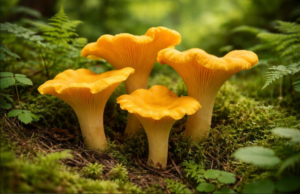
For our seventh formulation, we challenge the traditional heat-based paradigm of mushroom preparation by presenting a raw mycological masterpiece. The Cantharellus cibarius (Golden Chanterelle) is one of the few wild fungi safe and delectable to consume in its raw state, provided it is harvested at peak maturity. This dish focuses on the mushroom's crisp, peppery texture and its latent apricot notes. By pairing our premium Cantharellus cibarius with a technical pine nut emulsion and a whisper of truffle, we create a sensory experience of Pure Umami that is both ethereal and profoundly grounded in pure-umami.cc standards.
The Culinary Physics of This Dish
The success of a raw Chanterelle preparation depends on Structural Integrity Management. Raw chanterelles contain a significant amount of chitin; to make them palatable without heat, we must utilize precision slicing (mechanical breakdown) and acid-lipid denaturation. When the mushrooms are thinly sliced (1-2mm), the surface area increases, allowing the pine nut emulsion—a stable O/W (oil-in-water) colloid—to coat the fibers. The fats in the emulsion act as a bridge, carrying the volatile truffle aromatics directly to the olfactory receptors while the acidity of the lemon juice softens the mushroom's cellular walls.
Terroir Narrative
This formulation draws inspiration from the Umbria region of Italy, where the "Black Gold" of the earth (truffles) meets the "Sun of the Forest" (chanterelles). In the shade of ancient umbrella pines, these chanterelles develop a firmer, more resilient stipe. We honor this ecosystem by using stone-ground pine nuts, which mirror the resinous environment of the forest floor. This dish represents the pinnacle of seasonal freshness, utilizing the same landscape that nurtures our Amanita caesarea and Boletus edulis to produce a plate of exceptional clarity.
Quick Info Bar
Prep Time
Cook Time
Complexity
Region
30 mins
0 mins (Raw)
Grand Officier
Umbria, Italy
Master Recipe (1:10 Rule)
Precise proportions for the Pine Nut Emulsion:
300g Extra-firm Cantharellus cibarius (Cantharellus cibarius) – buttons only
The Precision Cut: Using a mandoline or a surgically sharp Japanese knife, slice the chanterelles longitudinally into 1mm thick petals. Place them immediately in a chilled bowl.
The Emulsion: In a high-speed blender, combine the pine nuts, lemon juice, and a pinch of salt. Gradually stream in the grapeseed oil and truffle oil until a thick, creamy "milk" forms.
Aromatization: Lightly mist the sliced mushrooms with a tiny amount of lemon juice to prevent oxidation and prime the surface for the emulsion.
Plating: Arrange the chanterelle petals in an overlapping circular pattern. Drizzle the pine nut emulsion in a thin, geometric spiral over the mushrooms.
The Finish: Top with micro-shaved Parmesan, which provides the necessary salinity, and a few micro-greens for a peppery finish.
Shop Integration
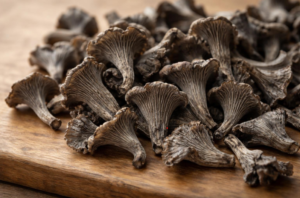
For a raw carpaccio, the freshness of our Cantharellus cibarius is non-negotiable; only the firmest, most vibrant specimens should be used. For a more visually arresting plate, you can intersperse these yellow petals with our Amanita caesarea (Caesar's Mushroom), which is also world-renowned for its raw culinary applications. If looking for a darker contrast, a few raw slivers of Craterellus cinereus (Grey Chanterelle) will add a deep, peppery earthiness. Avoid using Morchella conica or Boletus edulis in this raw format, as their flavor profiles and digestibility are optimized through heat.
The Umami Profile
This dish features "Clean Umami." Without the caramelization of the Maillard reaction, the savory notes come from the raw nucleotides of the chanterelle and the intense glutamate concentration of the aged Parmigiano. The pine nut emulsion adds a "fatty umami" (Oleogustus), which anchors the light, volatile truffle scent to the palate.
Sommelier’s Choice
A crisp, mineral-heavy **Grechetto di Todi** or a **Vermentino**. The high acidity and saline finish of these white wines cleanse the palate of the nutty emulsion while respecting the delicate, raw flavors of the Cantharellus cibarius.
The Etymological Chronicle
The term Carpaccio is Italian, originally coined in Venice to describe thinly sliced raw meat. In French, this dish would be a Carpaccio de Chanterelles. In German, it is Rohes Pfifferlings-Carpaccio, and in Spanish, Carpaccio de Rebozuelos. Across all cultures, the transition of the Chanterelle from the frying pan to the raw plate signifies the highest level of mycological sophistication.
Pure Umami | Mycological Research & Culinary Arts | 2026
To provide the best experiences, we use technologies like cookies to store and/or access device information. Consenting to these technologies will allow us to process data such as browsing behavior or unique IDs on this site. Not consenting or withdrawing consent, may adversely affect certain features and functions.
Functional
Always active
The technical storage or access is strictly necessary for the legitimate purpose of enabling the use of a specific service explicitly requested by the subscriber or user, or for the sole purpose of carrying out the transmission of a communication over an electronic communications network.
Preferences
The technical storage or access is necessary for the legitimate purpose of storing preferences that are not requested by the subscriber or user.
Statistics
The technical storage or access that is used exclusively for statistical purposes.The technical storage or access that is used exclusively for anonymous statistical purposes. Without a subpoena, voluntary compliance on the part of your Internet Service Provider, or additional records from a third party, information stored or retrieved for this purpose alone cannot usually be used to identify you.
Marketing
The technical storage or access is required to create user profiles to send advertising, or to track the user on a website or across several websites for similar marketing purposes.