Time: 25 Mins
Difficulty: Easy
Calories: 210 kcal
Type: Wild Foraged
The Spirit of the Winter Gold
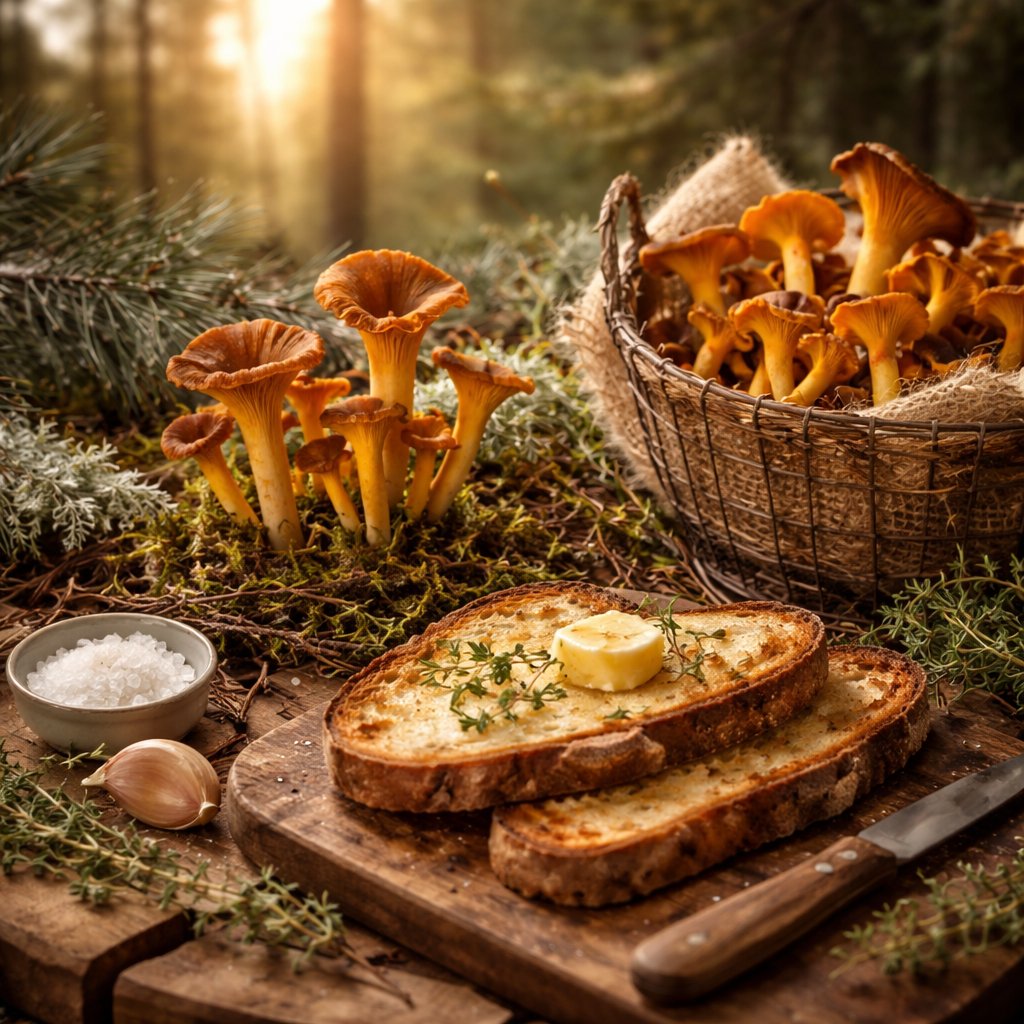
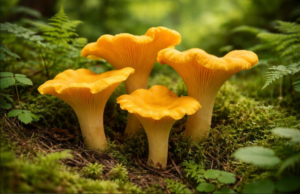
As the first frost settles over the Balkan ridges, the Yellow Foot (Craterellus lutescens) makes its quiet debut. Known as the "Winter Chanterelle," this slender, hollow-stemmed gem is the forest's final gift before the deep freeze. In European folklore, these mushrooms were often called "Little Funnels," believed to catch the last rays of the autumn sun and store them within their vibrant, orange-gold stalks.
Unlike its larger cousin, the Girolle, the Yellow Foot carries a more delicate, floral aroma—reminiscent of dried apricots and damp moss. To forage for them is to engage in a rhythmic dance with the forest floor, spotting their amber glows amidst the silver pine needles. They represent the resilience of the European wilderness, offering a burst of life and "Pure Umami" when the rest of the forest begins its winter slumber.
Sensory & Foraging Profiles
Scientifically classified as Craterellus lutescens, the Yellow Foot is distinguished by its vibrant yellow-to-orange stem and a brownish, funnel-shaped cap. It thrives in coniferous forests with acidic soil. Ethical Harvesting: Always use a knife to cut the stem at the base, leaving the mycelium undisturbed, and carry them in a mesh basket to allow spores to disperse back into the woodland.
Master Recipe: Yellow Foot & Thyme Sourdough
Ingredients:
- 300g Fresh Yellow Foot (Craterellus lutescens)
- 2 thick slices of Artisan Sourdough
- 40g Cultured Butter
- 1 clove of Garlic (bruised)
- Fresh Thyme sprigs
- Maldon Sea Salt & Cracked Black Pepper
Step-by-Step Execution:
- Dry Clean: Gently brush the caps. Do not wash; the hollow stems act like straws and will become waterlogged.
- The Tostatura: Place mushrooms in a dry pan over medium-high heat. Let them "sweat" their natural moisture for 2 minutes.
- The Sizzle: Add butter and the bruised garlic clove. Once the butter foams, add the thyme.
- The Glaze: Sauté for 5-6 minutes until the edges of the Yellow Foot turn slightly crisp and golden.
- Plating: Toast the sourdough in the remaining mushroom butter and pile the fungi high.
Pro Technique: The Dry-Pan Start
The secret to professional-grade Craterellus is the initial dry sear. By evaporating the internal water before adding fats, you prevent the mushroom from stewing. This concentrates the "apricot" esters and ensures a firm, snappy texture.
The Umami Secret: Glutamate Synergy
Yellow Foot mushrooms contain high concentrations of guanylate and glutamate. When paired with the fermented compounds in sourdough bread, a synergistic umami effect occurs, magnifying the savory perception on the tongue by up to four times.
Ancestral Nutrition
A powerhouse of Vitamin D and Selenium, the Yellow Foot was historically used in mountain villages to combat the winter blues. Its high fiber content and essential minerals make it a vital part of the ancestral European diet.
Perfect Pairings & Sommelier Note
The fruity notes of Craterellus lutescens pair exquisitely with an Off-dry Riesling or a light Pinot Noir. For ingredients, think salty components like Pancetta or creamy elements like Crème Fraîche.
Micro-FAQ
Q: Can you eat Yellow Foot raw?
A: No, they should always be cooked to break down chitin and unlock their flavors.
Q: How long do they stay fresh?
A: In a paper bag in the fridge, they last up to 5 days.
Q: Can they be dried?
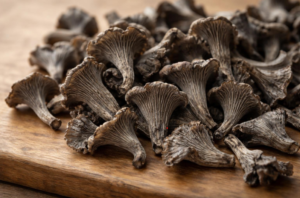
A: Yes, their thin flesh makes them perfect for air-drying for long-term storage.