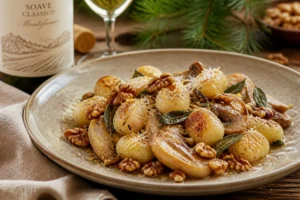
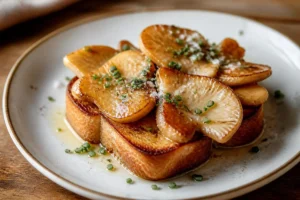
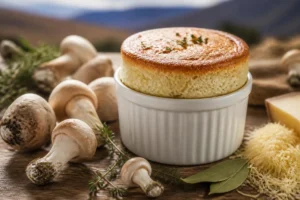
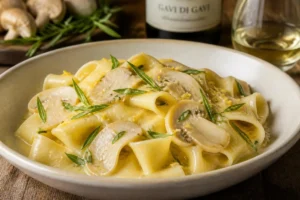
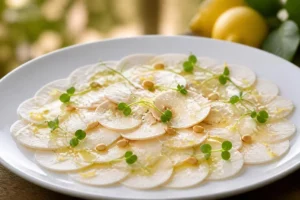
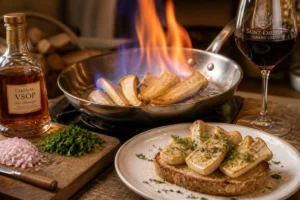
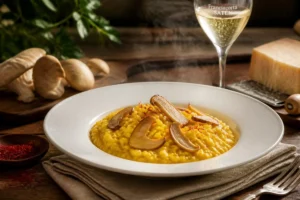
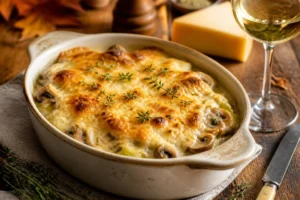
This technical execution explores the Thermal Maillard Transition of the Clitopilus prunulus cap. By utilizing a high-heat roasting method followed by a sage-infused brown butter (Beurre Noisette) bath, we transform the mushroom's delicate, dough-like scent into a robust, "toasted bread" aroma. The sage provides a camphoraceous top note that cuts through the lipid richness, creating a sophisticated forest-floor side dish or warm appetizer.
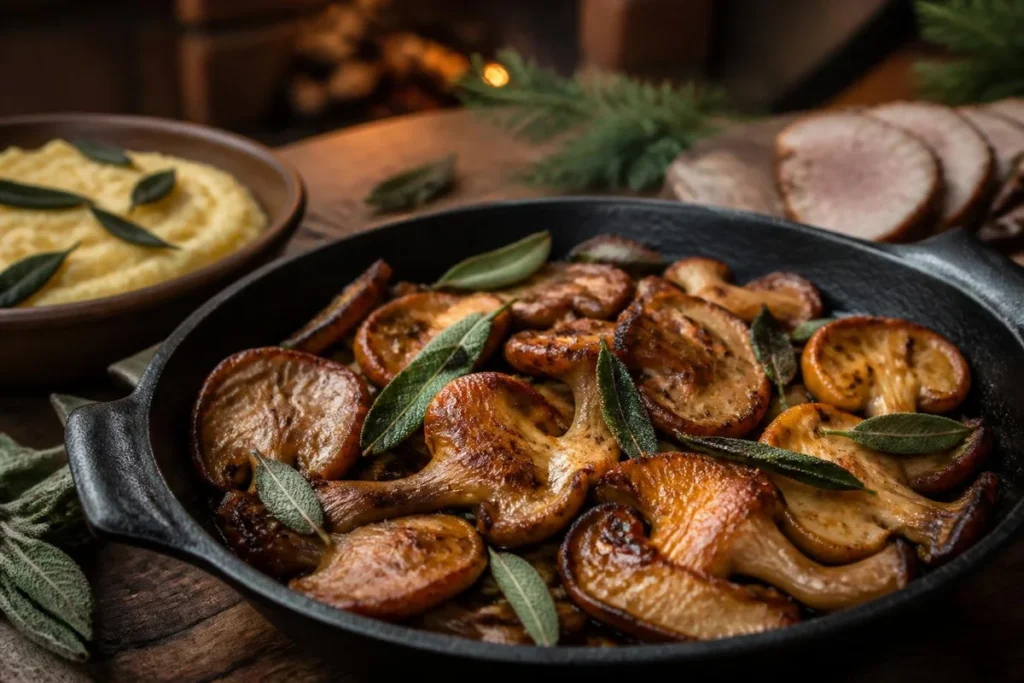
Roasted Miller Mushrooms with Sage Butter
This technical execution explores the Thermal Maillard Transition of the Clitopilus prunulus cap. By utilizing a high-heat roasting method followed by a sage-infused brown butter (Beurre Noisette) bath, we transform the mushroom's delicate, dough-like scent into a robust, "toasted bread" aroma. The sage provides a camphoraceous top note that cuts through the lipid richness, creating a sophisticated forest-floor side dish or warm appetizer.
The Culinary Physics of This Dish
The Clitopilus prunulus is structurally prone to collapse if cooked too slowly. We utilize High-Radiance Roasting. By exposing the mushrooms to 220°C, we induce rapid evaporation of surface moisture, creating a firm, caramelized exterior. The Beurre Noisette contains milk solids that have undergone Maillard browning; these solids act as a flavor bridge, mirroring the "farinaceous" aromatics of the Miller. The addition of fresh sage introduces cineole and camphor, which stabilize the mushroom's volatile aldehydes, ensuring the bread-like scent persists after roasting.
Terroir Narrative
This dish is inspired by the Tyrol region of the Alps, where foraged fungi are traditionally prepared with mountain butter and hardy herbs. In the high-altitude forests, the "Mehlräsling" is gathered just as the first frost hits the sage bushes in the kitchen gardens. It is a preparation that speaks of wood-fired ovens, cold mountain air, and the comforting, bready smells of an Alpine farmhouse kitchen during the harvest season.
Prep Time
Roast Time
Complexity
Calories
Region
10 Mins
12 Mins
Grand Officier
245 kcal
Tyrol, Austria
Master Recipe (1:10 Rule)
500 g Fresh Miller Mushrooms (kept whole or halved if very large)
60 g Unsalted mountain butter
8-10 Fresh sage leaves
15 ml Extra virgin olive oil (to prevent butter burning)
2 g Sea salt (coarse)
1 g Freshly cracked black pepper
1 tsp Lemon juice (for the final balance)
The Technique
1. Pre-Thermal Prep: Preheat the oven to 220°C. Place a heavy cast-iron skillet or roasting tray inside to preheat. A hot surface is crucial for immediate searing.
2. The Sear: Toss the Clitopilus prunulus with olive oil, salt, and pepper. Carefully spread them onto the hot tray. Roast for 8 minutes, turning once. The mushrooms should take on a golden hue.
3. Sage Butter Infusion: In a small saucepan, melt the butter over medium heat. Once it stops foaming and starts to turn brown and smell nutty, add the sage leaves. They will crisp up in seconds.
4. The Liaison: Remove the mushrooms from the oven and immediately pour the hot sage butter over them. The residual heat will continue to "fry" the mushroom skins in the aromatic butter.
5. The Brightening: Add the lemon juice. This tiny amount of acidity "unlocks" the umami compounds and cuts through the heavy fat profile.
6. Service: Serve hot, ideally with a side of creamy polenta or as a garnish for a roasted pork tenderloin. The crispy sage leaves are edible and provide a textural "pop."
Shop Integration
The roasted profile of the Miller mushroom pairs beautifully with our shop's more textural varieties. Consider roasting them alongside our firm Cantharellus cibarius (Cantharellus cibarius) for a color contrast, or use the Boletus edulis (Boletus edulis) to provide a deeper, woodier base. For a royal presentation, the Amanita caesarea (Amanita caesarea) is magnificent when roasted, while the Marasmius oreades (Marasmius oreades) can be tossed in the sage butter for an extra hit of nutty sweetness. Don't forget the spring Morchella (Morchella conica), which excels in high-heat roasting.
The Umami Profile
This dish focuses on Concentrated Glutamates. As the moisture evaporates during roasting, the glutamic acid content increases per gram. The butter provides the necessary lipids to coat the taste buds, allowing for a slower, more prolonged release of the mushroom's savory profile, while the sage adds a bitter-herbal contrast that prevents "flavor fatigue."
Sommelier’s Choice
Grüner Veltliner (Smaragd): A full-bodied Austrian white wine with white pepper notes and a stone-fruit core. Its weight matches the rich sage butter, and its characteristic "green" notes harmonize with the fresh sage and forest aromatics.
THE ETYMOLOGICAL CHRONICLE
English:Miller Mushroom – Describing the flour-dusted appearance of the cap and its scent.
French:Meunier – Identifying the mushroom with the flour millers of the French countryside.
German:Mehlräsling – Combining "Mehl" (flour) with a traditional Bavarian-Alpine mushroom suffix.
Spanish:Molinera – A name that evokes the smell of fresh dough and the work of the mill.
To provide the best experiences, we use technologies like cookies to store and/or access device information. Consenting to these technologies will allow us to process data such as browsing behavior or unique IDs on this site. Not consenting or withdrawing consent, may adversely affect certain features and functions.
Functional
Always active
The technical storage or access is strictly necessary for the legitimate purpose of enabling the use of a specific service explicitly requested by the subscriber or user, or for the sole purpose of carrying out the transmission of a communication over an electronic communications network.
Preferences
The technical storage or access is necessary for the legitimate purpose of storing preferences that are not requested by the subscriber or user.
Statistics
The technical storage or access that is used exclusively for statistical purposes.The technical storage or access that is used exclusively for anonymous statistical purposes. Without a subpoena, voluntary compliance on the part of your Internet Service Provider, or additional records from a third party, information stored or retrieved for this purpose alone cannot usually be used to identify you.
Marketing
The technical storage or access is required to create user profiles to send advertising, or to track the user on a website or across several websites for similar marketing purposes.