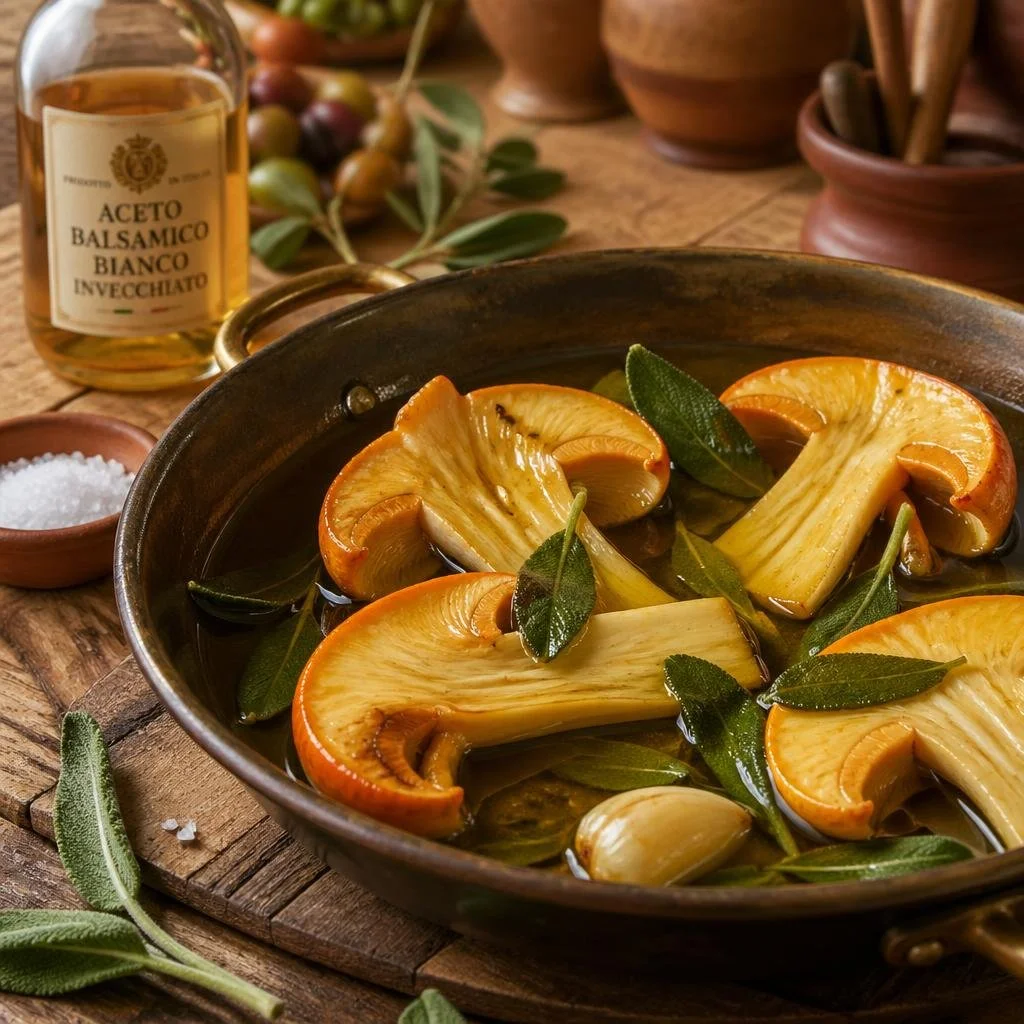
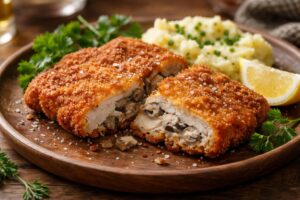
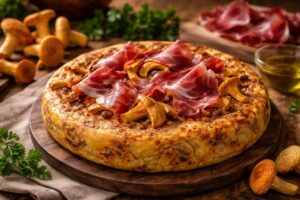
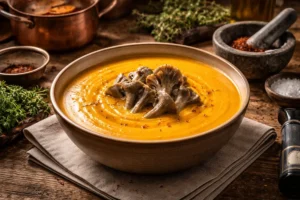
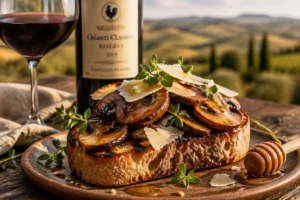
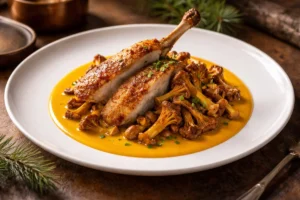
Tuscan Sage and Virgin Oil Poached Caesar Mushroom
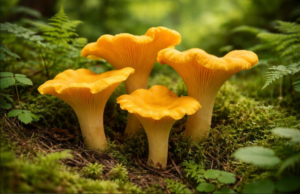
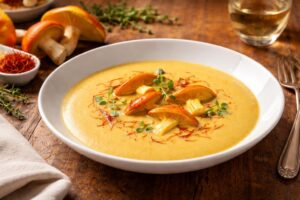
Experience the essence of Tuscany with this exquisite Amanita caesarea recipe, gently poached in extra virgin olive oil and aromatic sage. Italian perfection meets culinary science.
Tuscan Sage and Virgin Oil Poached Caesar Mushroom
Terroir Narrative
In the rolling hills of Tuscany, where ancient olive groves meet century-old chestnut forests, Amanita caesarea is revered as the "Queen of the Woods." This recipe is inspired by the classic Italian Cucina Povera, elevated to aristocratic levels through the use of the purest Extra Virgin Olive Oil and fresh sage. This combination highlights the mushroom's distinct nutty profile, characteristic of specimens foraged from the Mediterranean terroir.
The Culinary Physics of This Dish
The central technique employed here is Confit Poaching in oil at a strictly maintained temperature of 72°C. At this specific thermal boundary, the mushroom's protein structure coagulates without losing intracellular moisture. Sage contains the essential oil cineole, which is highly lipophilic. When heated in olive oil, it permeates the delicate tissue of the Caesar Mushroom, creating an aromatic barrier that seals in the umami components and prevents the breakdown of the fragile gills.
Quick Info Bar
Prep Time
15 Minutes
Cook Time
12 Minutes
Complexity
Grand Officier
Calories
310 kcal
Region
Tuscany, Italy
Master Recipe (1:10 Rule)
400g Amanita caesarea (preferably in the "egg" stage)
40g Cold-Pressed Extra Virgin Olive Oil (Tuscan IGP)
4-5 Fresh Sage Leaves (Salvia officinalis)
1 Clove of Garlic (smashed, for infusion only)
3g Sea Salt (Morgantina)
10ml Aged White Balsamic Vinegar (for final acidity balance)
The Technique (Technical Steps)
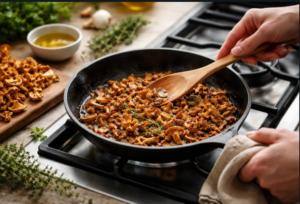
Oil Conditioning: In a small, heavy-bottomed pan, heat the olive oil with the sage and garlic until the temperature reaches 75°C. Remove the garlic before it begins to brown.
Preparation: Slice the mushrooms in half lengthwise to reveal the vibrant golden-yellow center. Do not use water for cleaning; use a soft brush.
Poaching: Submerge the mushrooms into the infused oil. The temperature will drop to approximately 70°C—keep it stable for 8-10 minutes.
Aromatics: In the final minute, add the sea salt directly onto the mushroom flesh.
Plating: Remove the mushrooms carefully. The remaining oil in the pan should be emulsified with a few drops of white balsamic vinegar through vigorous whisking.
"In Italy, the Caesar Mushroom is cooked as if it were the most tender meat—with the warmth of the sun, not the violence of the fire." — Culinary Notebook from Siena
Shop Integration
The quality of your culinary creation depends on the precision of your tools. Discover our specialized thermometers and knives for delicate fungi at the [Pure Umami Store].
The Umami Secret
In Tuscan specimens of Amanita caesarea, a higher density of fat-soluble aromatic compounds is observed due to the drier climate. Using olive oil with a high concentration of polyphenols creates a "bitter contrast" that accentuates the mushroom's natural sweetness, triggering the secondary umami receptors on the palate.
Sommelier’s Choice
This recipe requires a wine that can cut through the richness of the olive oil. We recommend a Vernaccia di San Gimignano with its characteristic almond note or an elegant Vermentino from the Tuscan coast.
The Etymological Chronicle: The Italian “Ovolo”
In Italy, Amanita caesarea bears the iconic name Ovolo buono. The word derives directly from the Latin ovum (egg), due to the way the mushroom emerges from the earth, encased in a white universal veil (volva) that perfectly resembles a hen's egg. In regions like Tuscany and Umbria, the term Coccola is also frequently used, which literally translates to "pampered child" or "something precious." This name reflects the extreme care with which Italian foragers gather these mushrooms, often placing them in separate compartments in their baskets to avoid damaging their tender structure. For the Italian, L'Ovolo is not just food; it is a historical legacy dating back to the Roman Empire, when these fungi were hailed as the "food of the gods."
To provide the best experiences, we use technologies like cookies to store and/or access device information. Consenting to these technologies will allow us to process data such as browsing behavior or unique IDs on this site. Not consenting or withdrawing consent, may adversely affect certain features and functions.
Functional
Always active
The technical storage or access is strictly necessary for the legitimate purpose of enabling the use of a specific service explicitly requested by the subscriber or user, or for the sole purpose of carrying out the transmission of a communication over an electronic communications network.
Preferences
The technical storage or access is necessary for the legitimate purpose of storing preferences that are not requested by the subscriber or user.
Statistics
The technical storage or access that is used exclusively for statistical purposes.The technical storage or access that is used exclusively for anonymous statistical purposes. Without a subpoena, voluntary compliance on the part of your Internet Service Provider, or additional records from a third party, information stored or retrieved for this purpose alone cannot usually be used to identify you.
Marketing
The technical storage or access is required to create user profiles to send advertising, or to track the user on a website or across several websites for similar marketing purposes.