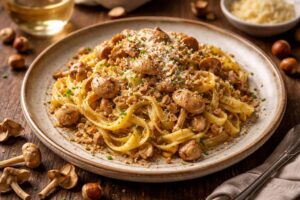
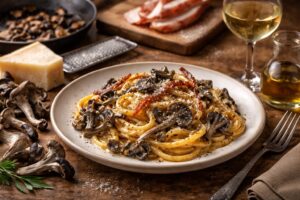
Description: Master this wild-harvested gourmet recipe. A Cantharellus cibarius culinary masterpiece that is umami-rich and balances sweet and savory forest notes.
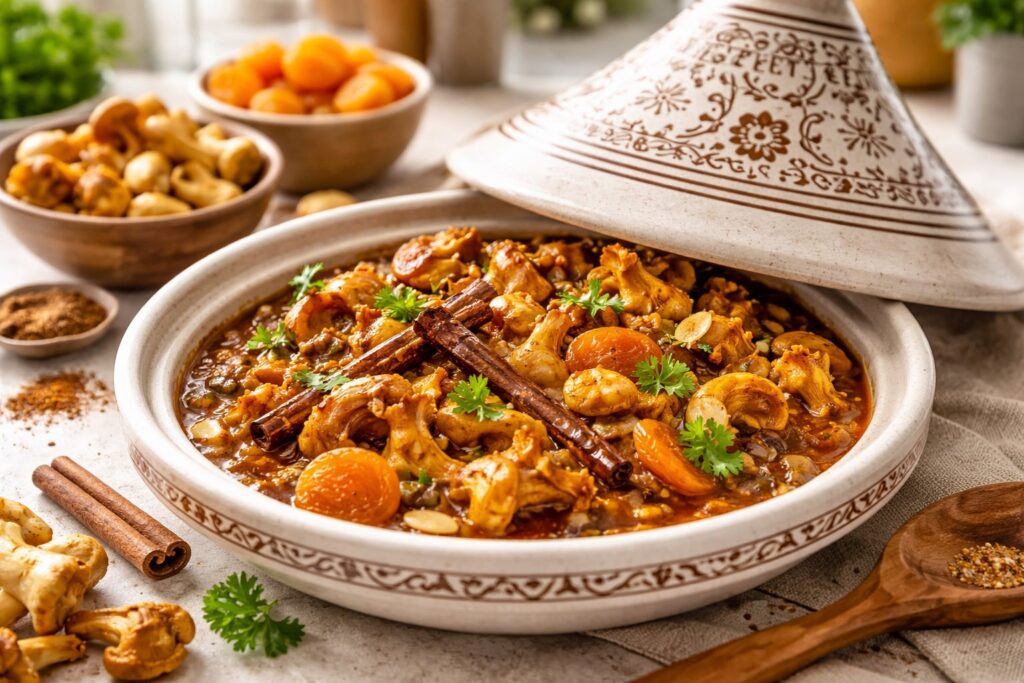
Wild Chanterelle and Apricot Tajine
A Trans-Continental Fusion of Stone Fruit Aromatics
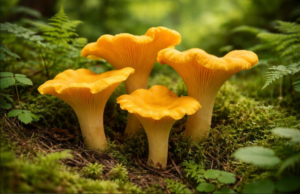
In the world of high-concept gastronomy, the most successful pairings are often found by identifying shared molecular blueprints. The Wild Chanterelle and Apricot Tajine is a testament to this theory. Historically, foragers and chefs have noted the uncanny "apricot" scent of a freshly harvested Cantharellus cibarius. This wild-harvested gourmet recipe takes that olfactory hint and makes it the structural centerpiece of a slow-cooked North African braise.
While the Chanterelle is a staple of the European pine forests, its pairing with the spices of the Maghreb creates a bridge between the damp forest floor and the sun-drenched markets of Marrakesh. The tajine's conical shape acts as a condensation chamber, recycling the mushroom's volatile esters and locking them into the fibers of the sun-dried apricots. This is a culinary masterpiece that defies regional boundaries, offering an umami-rich experience where the earthiness of the fungi is brightened by the tart acidity of the fruit.
🌲 EXCLUSIVE FOREST HARVEST OFFER 🌲
Elevate your kitchen with the rarest Chanterelles, Porcini, and Morels.
Sensory & Foraging Profiles: The Beta-Ionone Resonance
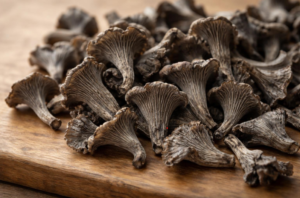
The secret to the Cantharellus cibarius aroma lies in a group of compounds called ionones—specifically beta-ionone. This is the exact same chemical family responsible for the scent of violets and, most importantly, ripe apricots. This Mycorrhizal symbiosis with host trees facilitates the synthesis of these complex aromatics, which are concentrated in the mushroom's false gills.
Microbiology & Chemistry: During the slow braise of the tajine, the microbiology of the dish shifts as the heat breaks down the mushroom's chitinous cell walls. This releases adenosine monophosphate, which works in tandem with the natural sugars of the dried apricots to create a deep, caramelized umami. The presence of cinnamon and cumin in the spice blend provides a warm, earthy base that prevents the fruit's sweetness from dominating.
Texture Analysis: The Chanterelle maintains a firm, slightly fibrous texture that mimics a slow-cooked protein. The apricots, meanwhile, soften into "pockets" of intense flavor, creating a rhythmic eating experience where every bite alternates between the savory springiness of the forest and the silken sweetness of the orchard.
The Master Recipe: Chanterelle & Apricot Tajine
Ingredients
500g Wild-Harvested Cantharellus cibarius (left whole or halved)
100g Dried Organic Apricots (unsulphured, halved)
2 medium Shallots, finely diced
400ml Light Vegetable Stock
1 tsp Ras el Hanout (high-quality spice blend)
1 stick of Cinnamon
2 tbsp Extra Virgin Olive Oil
Fresh Cilantro and toasted Almonds for garnish
Sea salt to taste
Culinary Steps
The Aromatics: Heat the olive oil in the base of a tajine or heavy-bottomed pot. Sauté the shallots until soft and translucent.
The Spice Bloom: Add the Ras el Hanout and the cinnamon stick. Toast for 1 minute until the fragrance fills the kitchen.
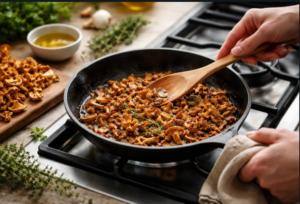
The Mushroom Sear: Increase the heat slightly and add the Cantharellus cibarius. Cook for 5 minutes until they begin to glisten and release their initial moisture.
The Braise: Add the dried apricots and pour in the stock. Season with a pinch of salt.
The Slow Cook: Cover with the tajine lid and simmer on very low heat for 35-40 minutes. The liquid should reduce into a thick, syrupy glaze.
The Finish: Remove the cinnamon stick. Top with a generous amount of fresh cilantro and the toasted almonds for a necessary crunch.
Pro Technique: The “Hydration Sync”
To achieve a professional result, the apricots and the wild-harvested Chanterelles must reach their peak texture simultaneously. If using very dry apricots, soak them in the vegetable stock for 15 minutes before starting the recipe. This ensures they don't "rob" the Cantharellus cibarius of its essential juices during the cooking process, preserving the mushroom's plumpness and the sauce's umami-rich consistency.
The Umami Secret: Fruit Acid and Nucleotide Synergy
The natural malic acid found in apricots acts as a flavor catalyst. In a phenomenon known as "acidic umami amplification," the fruit's acidity lowers the sensory threshold for detecting the glutamic acids in the Cantharellus cibarius. This makes the dish taste "meatier" without the addition of animal proteins. The fats from the toasted almonds further coat the palate, allowing these complex aromatic layers to linger.
The Art of the Pairing
This spiced, fruit-forward dish requires a wine with body and aromatic intensity. An Off-dry Riesling or a Gewürztraminer from Alsace will mirror the spice and the apricot notes perfectly. For a non-alcoholic pairing, a warm Moroccan Mint Tea provides a refreshing, mentholated finish that cleanses the palate from the rich, syrupy tajine sauce.
Ancestral Nutrition
This tajine is a powerhouse of Iron and Beta-carotene. The Cantharellus cibarius provides a rare source of Vitamin D, while the dried apricots offer high levels of Potassium. Historically, such nutrient-dense, slow-cooked meals were essential for maintaining vigor during the seasonal transitions, providing a stable source of bioavailable minerals and fiber to support digestive health.
To provide the best experiences, we use technologies like cookies to store and/or access device information. Consenting to these technologies will allow us to process data such as browsing behavior or unique IDs on this site. Not consenting or withdrawing consent, may adversely affect certain features and functions.
Functional
Always active
The technical storage or access is strictly necessary for the legitimate purpose of enabling the use of a specific service explicitly requested by the subscriber or user, or for the sole purpose of carrying out the transmission of a communication over an electronic communications network.
Preferences
The technical storage or access is necessary for the legitimate purpose of storing preferences that are not requested by the subscriber or user.
Statistics
The technical storage or access that is used exclusively for statistical purposes.The technical storage or access that is used exclusively for anonymous statistical purposes. Without a subpoena, voluntary compliance on the part of your Internet Service Provider, or additional records from a third party, information stored or retrieved for this purpose alone cannot usually be used to identify you.
Marketing
The technical storage or access is required to create user profiles to send advertising, or to track the user on a website or across several websites for similar marketing purposes.